About the Director
Iris Cockatoo
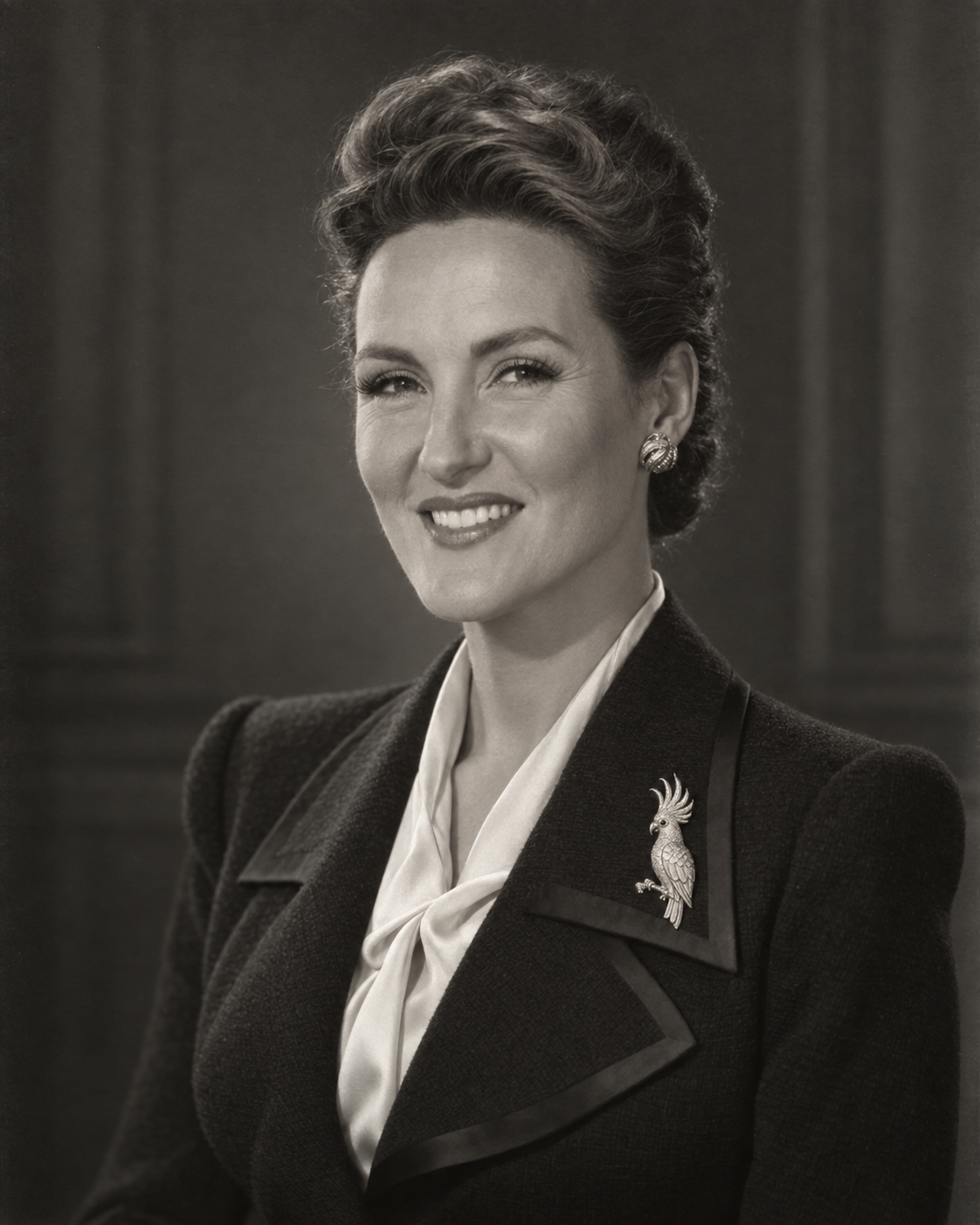
Director, Institute for Recovery of Irreplaceable Specimens
Iris Cockatoo has served as Director of the Institute for Recovery of Irreplaceable Specimens since 1922, continuing the work begun by her father and I.R.I.S. founder, Theodore Cockatoo.
Raised among the Institute’s collections and closely involved in its expeditions, Miss Cockatoo developed an early interest in rare objects, natural specimens, material culture, and the practical work required for their recovery and preservation. She was appointed Associate Director in 1913 and subsequently assumed increasing responsibility for the Institute’s operations at home and abroad.
Under her direction, I.R.I.S. has organized and supported expeditions across several continents; safeguarded significant private collections; recovered rare natural and cultural specimens; and presented its findings through exhibitions, lectures, publications, and public events.
Miss Cockatoo is recognized for combining careful preparation with an exceptional ability to adapt to difficult circumstances. Her expeditions frequently bring together specialists in archaeology, natural history, security, logistics, transportation, and local expertise. She remains closely involved in every stage of the Institute’s work, from the earliest investigation through recovery, documentation, conservation, and presentation.
Beyond her work with I.R.I.S., Miss Cockatoo is known for her influence upon fashion, expeditionary attire, and international society. Her public exhibitions and unveiling galas have helped introduce the Institute’s work to audiences far beyond traditional academic and collecting circles.
Director of Special Recoveries
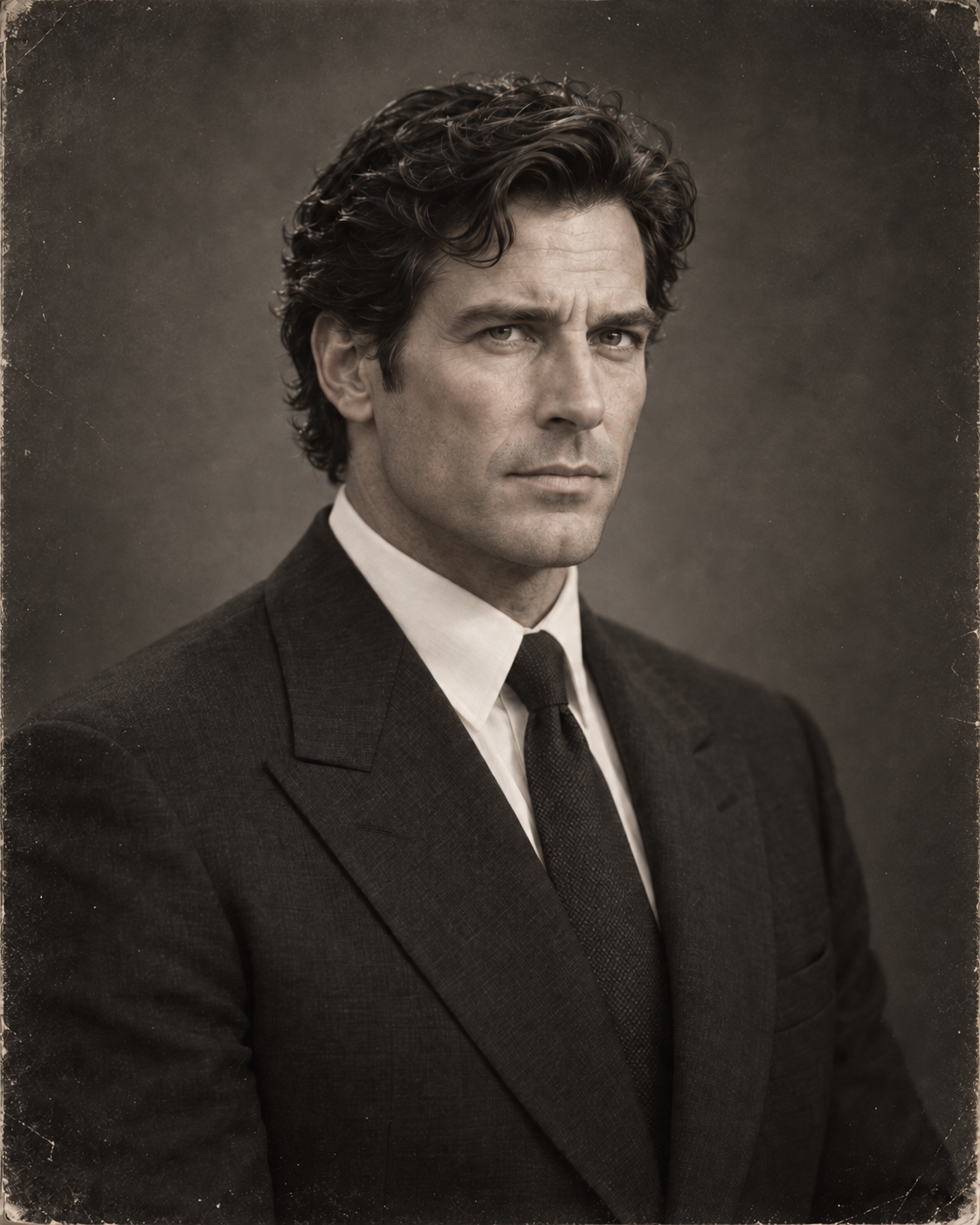
Alaric Voss
Director of Special Recoveries, Institute for Recovery of Irreplaceable Specimens
The Director of Special Recoveries is responsible for Institute operations that require unusual discretion, swift judgment, or direct intervention beyond the scope of an ordinary expedition.
Alaric Voss oversees the secure movement of specimens, personnel, and sensitive materials across jurisdictions. His duties include coordinating transportation; reviewing manifests and supporting documentation; maintaining relationships with customs, port, railway, and shipping authorities; and resolving questions of custody that might otherwise delay or endanger a recovery.
When established procedures do not meet the demands of the situation, the Director of Special Recoveries is authorized to identify and pursue an appropriate alternative. This authority extends to matters of access, safe passage, temporary possession, emergency extraction, and the protection of Institute interests in the field.
Mr. Voss also evaluates physical and institutional risks surrounding proposed acquisitions. He may negotiate with local representatives, private custodians, transport agents, government offices, and other interested parties when a specimen’s condition or circumstances make delay inadvisable. In such cases, he is expected to preserve both the object and the Institute’s freedom to act.
During active expeditions, Mr. Voss holds broad operational authority over security, routes, communications, and withdrawal procedures. His assessments are frequently delivered without elaboration and are seldom improved by requesting one.
The Institute’s records demonstrate that objects entrusted to his supervision generally arrive safely, even when the surviving paperwork offers an incomplete account of how they traveled.
The position reports directly to the Director of I.R.I.S. Its full remit is not included in publicly accessible materials.
Director of Legal Compliance and Custodial Review
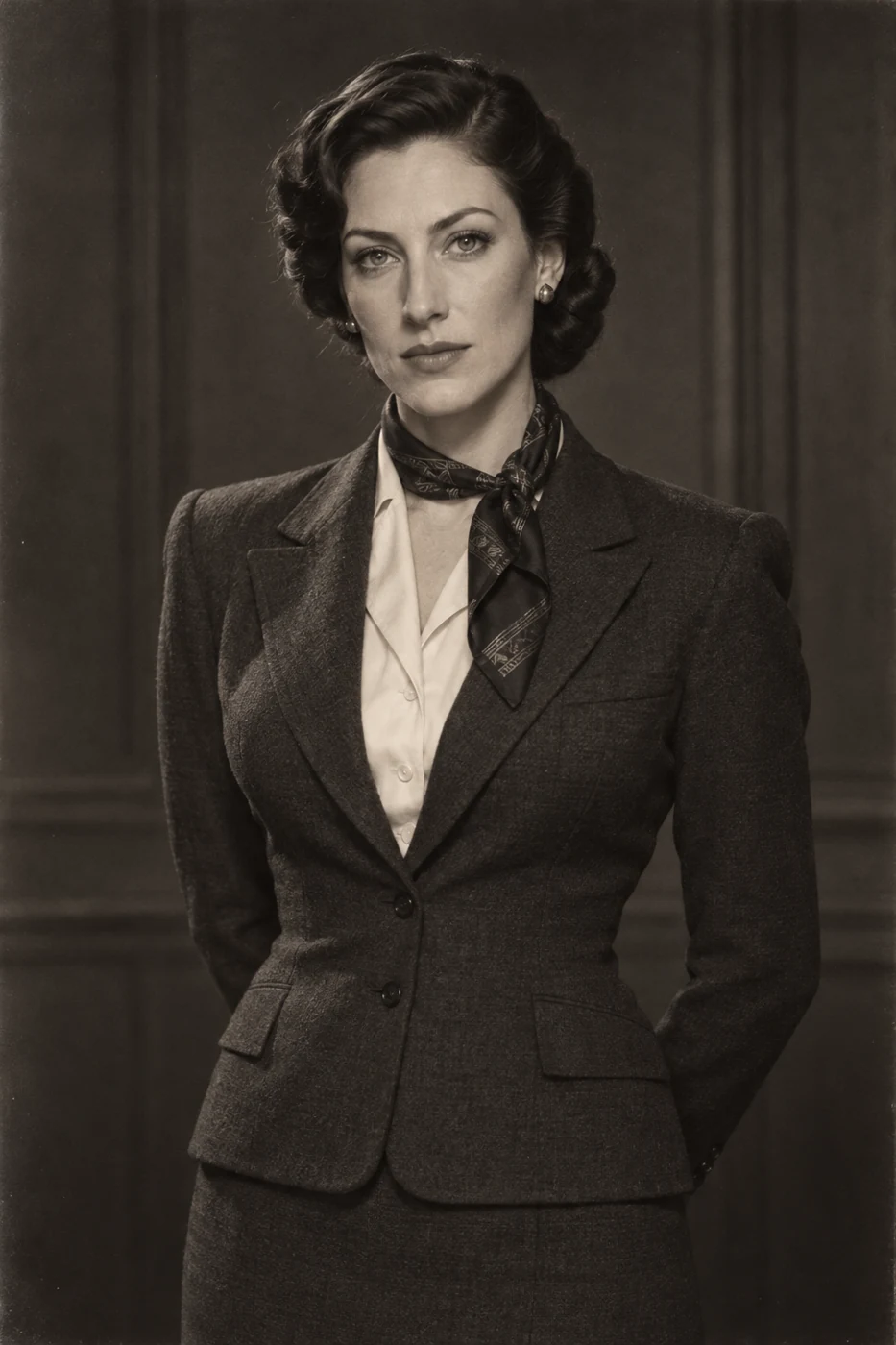
Clara Whitlock
Director of Legal Compliance and Custodial Review, Institute for Recovery of Irreplaceable Specimens
Established in 1939, the Office of Legal Compliance and Custodial Review oversees the lawful recovery, documentation, transport, and retention of objects entrusted to or acquired by the Institute.
The Director reviews expedition authorities, export and customs records, transfer agreements, provenance documentation, and custodial claims. The office also examines disputed acquisitions, coordinates the return or transfer of objects when appropriate, and preserves records relating to the circumstances under which materials entered the Institute’s care.
Clara Whitlock was appointed the office’s first director. Drawing upon her experience in international cultural stewardship and antiquities oversight, she introduced a formal review process intended to ensure that every object held by I.R.I.S. could be accounted for—not only by where it was found, but by how it came to be here.
The Director of Legal Compliance and Custodial Review operates independently of the Institute’s expeditionary departments and may examine any recovery, collection, or internal record requiring further clarification.